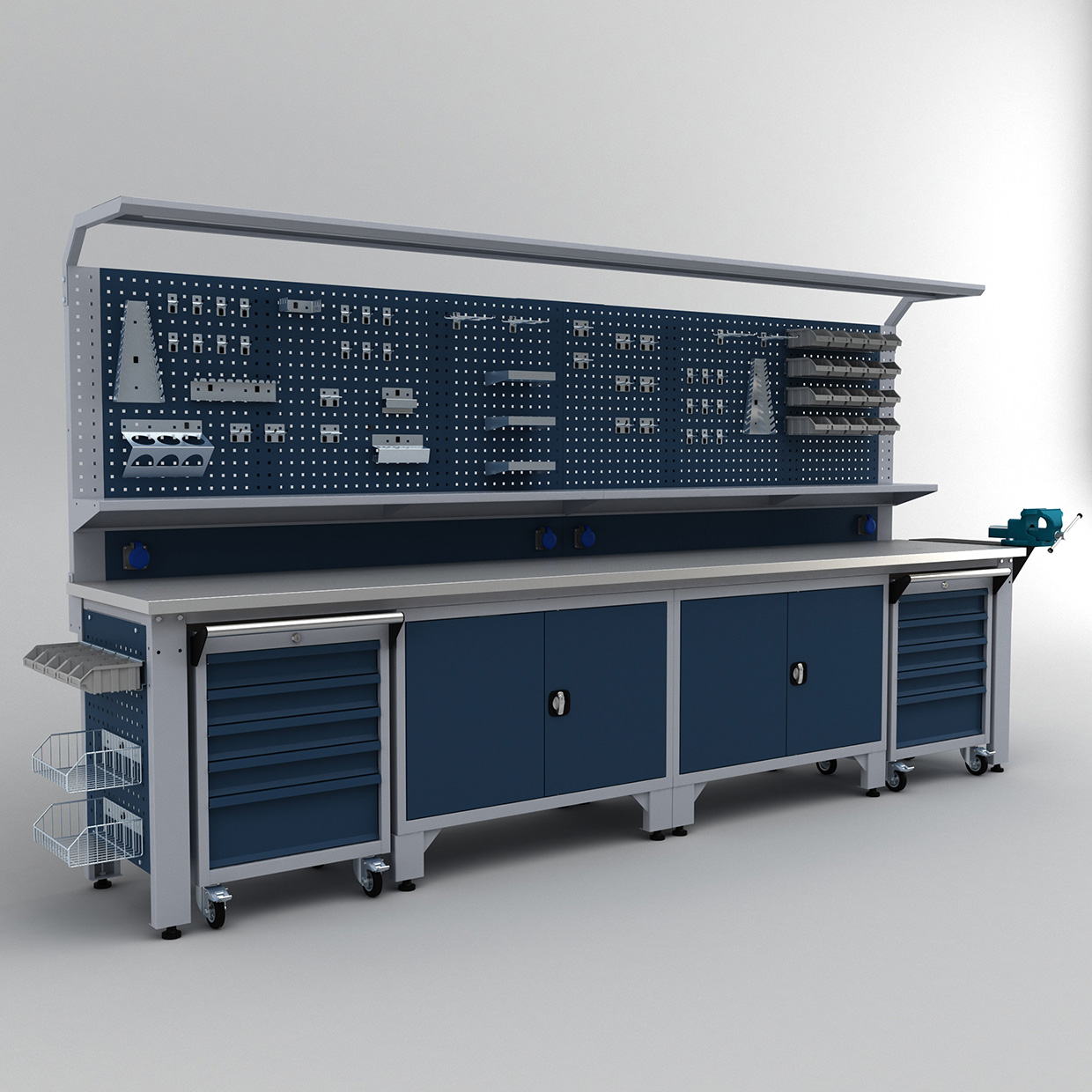
A workbench is one of the most fundamental elements in a workspace where hands-on tasks are performed. Whether in a professional class, a garage, a research laboratory, or even a home DIY corner, the workbench serves as the central platform where ideas turn into physical results 辦公室文件櫃. It is more than just a table; it is a structured and stable surface designed to support precision, strength, and efficiency.
The concept of a workbench has existed for centuries, growing alongside human craftsmanship. From traditional carpentry shops to modern industrial environments, the workbench has always been a constant tool that allows individuals to build, repair, design, and experiment. Its simplicity is what makes it powerful. A solid, well-designed workbench provides foundation for productivity, allowing users to concentrate entirely on their work without distraction or instability.
In modern settings, the workbench is no longer limited to woodworking or mechanical tasks. It is now used in consumer electronics, engineering, laboratories, crafting studios, and even creative digital production setups. This development shows how versatile and essential the workbench has become across different fields.
Design and Structure Define Efficiency
The effectiveness of a workbench depends heavily on its design and construction. A well-built workbench must be sturdy enough to handle pressure, vibration, and heavy materials without losing stability. Most traditional workbenches are produced from wood floor or reinforced steel, ensuring durability over long periods people.
One of the most important features of a workbench is its flat and level surface. This permits accurate measurements and precise work, which is essential in tasks such as cutting, putting together, or repairing. Even slight unevenness can impact the standard of work, especially in technical or detailed projects.
Storage is another key area of modern workbench design. Many workbenches include compartments, shelves, or chambers that help organize tools and materials. This organization improves workflow efficiency by keeping everything within easy reach. A clutter-free workspace allows users to concentrate better and complete tasks more quickly.
Adjustable features have likewise gain popularity in contemporary workbench designs. Height-adjustable surfaces allow users to work comfortably whether sitting or standing. This flexibility helps reduce physical strain and supports better position during long working hours.
The Workbench in Professional and Industrial Environments
In professional workshops, the workbench plays a central role in daily operations. Carpenters rely on it for cutting, by using, and putting together wood components. Movement use it to repair motors and organize tools. Engineers depend on it for building prototypes and testing mechanical parts.
In industrial environments, the workbench is often customized for specific tasks. Heavy-duty workbenches are made to withstand intense pressure and support large machinery or equipment. These specialized benches are built with reinforced materials to ensure safety and durability under demanding conditions.
In laboratories, a different type of workbench is used. These are made with chemical-resistant surfaces and precise rating capabilities. Scientists and researchers rely on these benches for doing experiments and analyzing materials in controlled environments.
The flexibility of the workbench across industries highlights its importance as a general tool. Regardless of the field, it serves the same purpose: to provide a reliable and organized space for productive work.
The Workbench in Home and DIY Projects
The popularity of DIY culture has taken the workbench into many homes. People who enjoy crafting, repairing, or building personal projects often set up a dedicated workbench in their garage, cellar, or garden shed. This personal workspace allows them to work on projects at their own pace and convenience.
A home workbench doesn’t need to be overly complex, but it ought to be functional and well-organized. Many DIY enthusiasts customize their workbench to suit their specific needs. Some add tool shelving, lighting systems, or power outlets to make the workspace extremely effective.
Having a personal workbench also encourages creativity. It provides a dedicated space where ideas can be explored without being interrupted. Whether building furniture, repairing household items, or refining new interests, a workbench becomes a creative center within the home.
Materials and Craftsmanship Behind a Durable Workbench
The standard of a workbench depends largely on the materials used in its construction. Wood floor remains a popular choice due to its strength and resistance to wear. Maple and cherry are generally used because they provide a solid surface that can handle heavy impact.
Metal workbenches, particularly those made from steel, offer additional strength and durability. These are often used in industrial environments where heavy machinery or tools may take place. Metal frames combined with wooden or grp composite tops create a balance between strength and functionality.
Craftsmanship also plays a significant role in the standard of a workbench. A well-crafted counter ensures stability, smooth surface finishing, and long-term durability. Awareness of detail during construction determines how well the workbench performs under continuous use.
Organization and Workflow Improvement
A well-organized workbench significantly improves workflow efficiency. When tools are properly arranged and easy to get to, tasks can be completed faster and with greater accuracy. Many professionals emphasize benefit of maintaining a clean and organized workbench to avoid unnecessary delays and mistakes.
Tool placement is a key factor in organization. Frequently used tools are often placed within arm’s reach, while less popular items are stored in compartments or shelves. It reduces time spent searching for tools and increases productivity.
Lighting is another important element of a productive workbench setup. Proper lights ensures that users can see details clearly, reducing the risk of errors. Many modern workbenches include built-in lighting systems to enhance visibility during detailed tasks.
The Psychological Benefits of a dedicated Workbench
Beyond physical functionality, a workbench also has psychological benefits. Having a dedicated workspace helps create a sense of structure and focus. It signals the mind that it is time to concentrate on specific tasks, improving productivity and mental clarity.
A well-maintained workbench can also reduce stress. Clutter-free environments are known to promote stillness and reduce disruptions. When everything has its place, it becomes easier to pay attention to the position at hand.
For creative individuals, a workbench serves as a space for expression and innovation. It allows tricks to take physical form, turning imagination into reality. This process can be highly rewarding and motivating.
Development of the Modern Workbench
The modern workbench has evolved significantly from its traditional beginning. Today, it integrates advanced materials, ergonomic desk design, and smart features. Some workbenches now include electrical outlets, charging areas, and digital rating tools, reflecting the wants of modern users.
Ergonomics has become a major focus in recent designs. Adjustable height, anti-fatigue surfaces, and user-friendly templates lessen physical strain and improve comfort during long working hours.
This development shows how the workbench continues to adjust to changing demands while maintaining its core purpose as a reliable workspace.
Conclusion on the Value of a Workbench
A workbench remains one of the most important tools in a productive environment. Its role expands far beyond being a simple surface; it is the foundation of creativity, craftsmanship, and efficiency. Whether used in professional industries or personal projects, it provides the stability and organization needed to bring tricks to life.